Lower Back Pain & Mobility Health: Why Movement Matters
Lower Back Pain & Mobility Health: Why Movement Matters
Lower back pain is one of the most common health complaints worldwide and a leading cause of disability. Research consistently shows that up to 80% of people will experience lower back pain at some point in their lives, and it remains one of the primary reasons people miss work, reduce physical activity, or withdraw from activities they enjoy. In Australia, musculoskeletal conditions — particularly back pain — place a significant burden on individuals, families, and the healthcare system.
While pain may begin as a minor annoyance, restricted movement and reduced spinal function can progressively impact overall quality of life. Everyday tasks such as bending, lifting, sitting, or even sleeping comfortably can become challenging when spinal mobility and control decline.
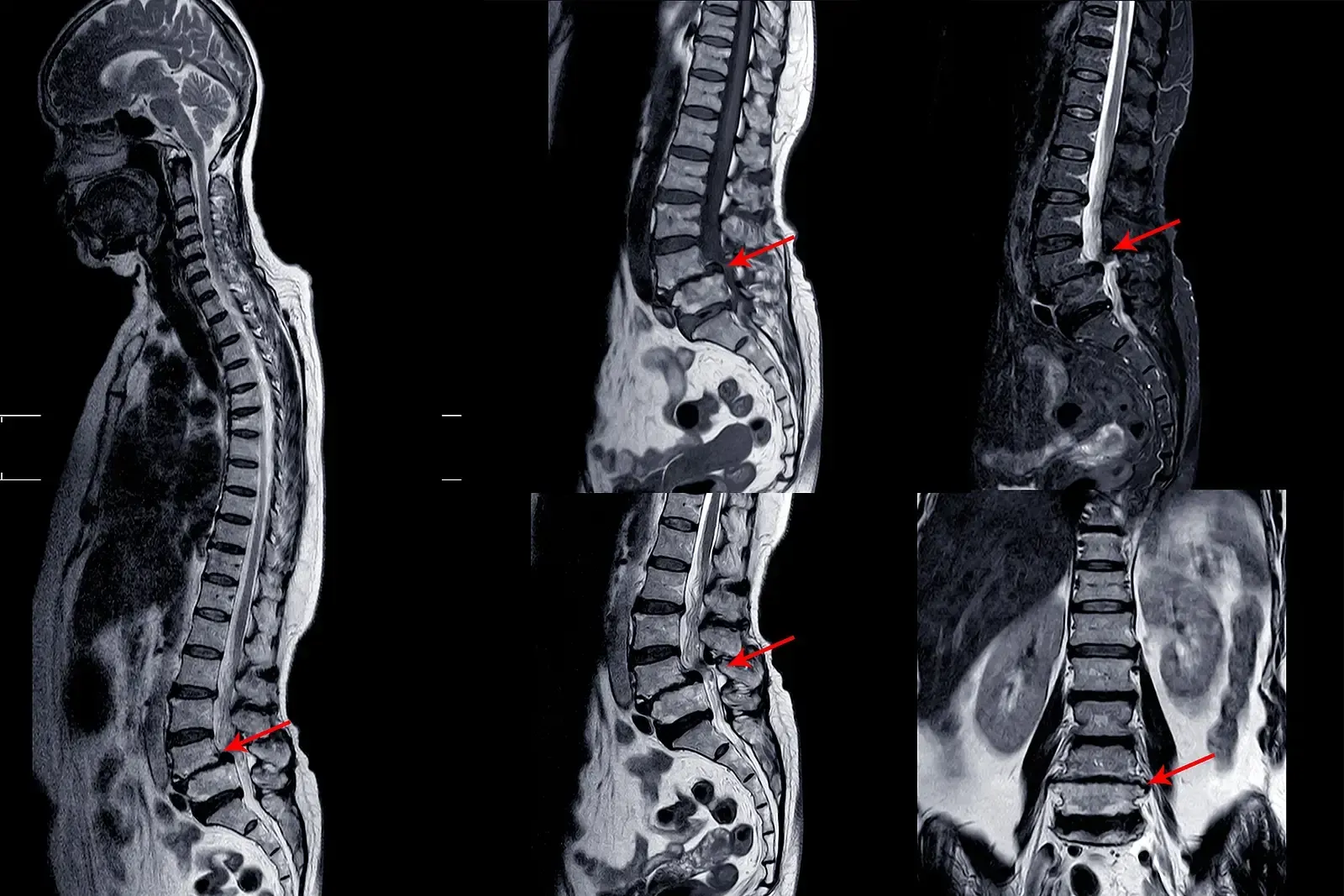
Why Mobility Health Matters
Mobility health is not simply about flexibility. True mobility is the combination of:
- usable range of motion
- strength and control within that range
- joint health and tissue resilience
- movement confidence and coordination
When mobility is compromised, the body compensates. Over time, these compensations can increase mechanical stress on joints and tissues, contributing to stiffness, pain, and recurring injury.
Maintaining mobility in the lumbar spine is particularly important because this region plays a central role in:
- load transfer between the upper and lower body
- posture and spinal support
- bending and rotational movement
- injury prevention during daily activities and sport
The Cost of Ignoring Lower Back Health
When mobility declines and pain persists, people often begin to avoid movement. Unfortunately, inactivity can worsen stiffness, reduce muscle support, and increase sensitivity in the nervous system.
Common consequences include:
- decreased activity levels
- reduced work capacity
- sleep disturbances
- lower energy levels
- reduced mental wellbeing
- fear of movement or reinjury
Investing in spinal health early can help prevent these downstream effects and support long-term wellbeing.

Functional Range Conditioning: Restoring Movement & Control
Functional Range Conditioning (FRC) is a joint-focused training system designed to improve mobility, strength, and control throughout your available range of motion.
Rather than forcing flexibility, FRC develops active control, helping the nervous system feel safe and strong in positions that were previously restricted.
Consistent practice can help:
✔ improve joint mobility and health
✔ increase spinal stability and control
✔ reduce stiffness and movement restriction
✔ improve posture and movement efficiency
✔ decrease injury risk
✔ restore confidence in movement
I’ve recently created a guided session focusing on lumbar rotation mobility and control.
Watch the video below:
This is paragraph text. Click it or hit the Manage Text button to change the font, color, size, format, and more. To set up site-wide paragraph and title styles, go to Site Theme.
Share this Blog Post
More Blog Posts