Functional Range Conditioning: How to Get Real, Usable Mobility
Functional Range Conditioning: How to Get Real, Usable Mobility
Functional Range Conditioning (FRC) is a science-based mobility and rehab system that helps you build full range of motion you can actually use. It was developed by Dr. Andreo Spina in Toronto, Canada. Elite sports teams around the world use it to rehab injuries, improve performance and reduce injury risk.
At Naturally Well Chiropractic, I use FRC with patients in the clinic. I've also seen it work on my own injuries.
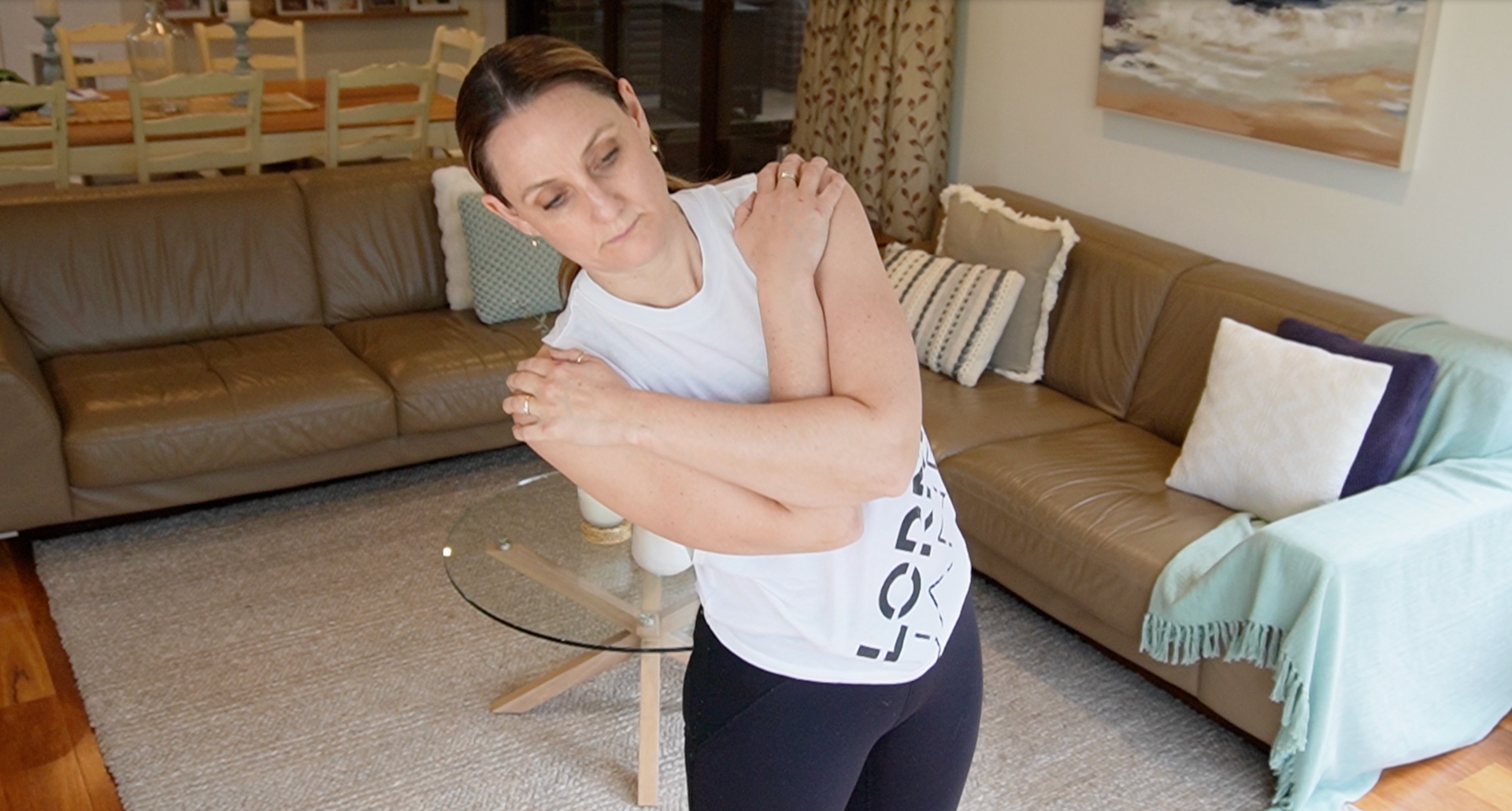
What is mobility health?
Mobility health means two things together:
- Full range of motion at your joints
- Active control and strength through that whole range
Flexibility alone isn't enough. If you can only reach a position when something pulls you there, you don't really own it. The goal of FRC is usable space: movement you can control, load and rely on.
Why you lose range of motion
Your nervous system decides how much movement you're allowed to own. It is protective, and it holds back range for three main reasons.
1. Injury or trauma. After an injury, your nervous system can feel vulnerable in that position. The tissue may have fully healed, but the nervous system remembers and stays guarded. If a joint is currently injured, that protection is even stronger.
2. You don't use it. If you haven't reached overhead in two years, your body stops investing in that range. Keeping joint sensors and body awareness active is energy expensive, and your body is efficient. Unused range fades: ligaments tighten, muscles lose capacity there, and degenerative changes can happen faster.
3. It senses weakness. Imagine driving a car with no brakes down a steep hill. It won't end well. If your nervous system senses you're weak at the end of your range, it won't let you go there.

This is paragraph text. Click it or hit the Manage Text button to change the font, color, size, format, and more. To set up site-wide paragraph and title styles, go to Site Theme.
Share this Blog Post
More Blog Posts